The Public Persona Is Not the Whole Person
A public persona is a crafted view, not a full biography. Learn to read interviews, publicity and fan memories without mistaking presentation for private life.
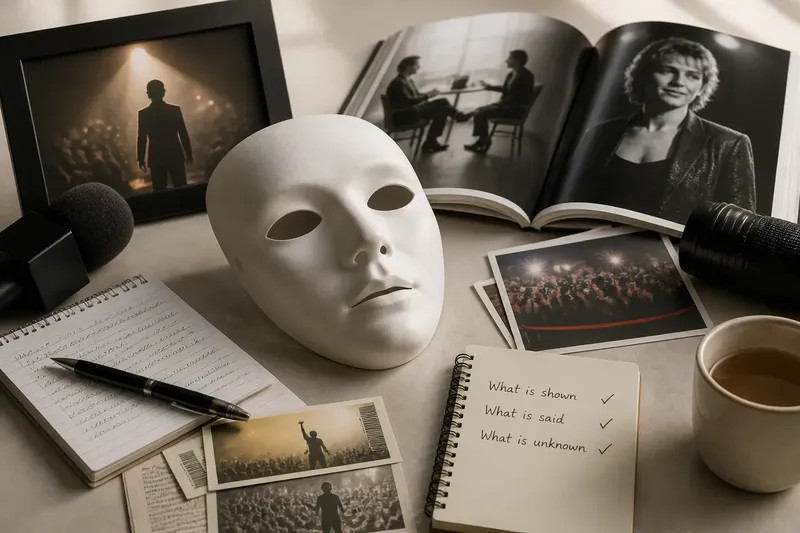
A public persona is a selective account of a performer, not a complete portrait. A red-carpet smile or a polished interview can show how someone appeared in that setting; neither alone tells you how that person behaves in private.
That distinction helps audiences remember performances and public appearances without treating them as private biographies. Public images are not necessarily false. They are partial records shaped by the event, the people involved and the choices about what becomes visible.
Notice the framing
A public image takes shape through decisions about what to show and how to present it. A performer may choose an interview topic, a publicist may arrange the setting, an editor may shorten an answer, and a photographer may select one frame. These choices influence the impression without requiring anyone to fabricate a scene.
A cheerful appearance at a premiere can show how someone presented themselves at that event. It cannot establish that they are cheerful in private or that the mood continued after the cameras left.
- If a clip is promotional, treat it as evidence of how the project was presented; if its purpose is unclear, check the surrounding material before drawing conclusions.
- If an interview takes place in a controlled setting, account for the host and format; if it is an informal exchange, still distinguish the answer from your interpretation of it.
- If a claim describes something directly visible or said, report that detail; if it assigns a motive or personality trait, mark it as an interpretation or leave it out.
- If a label such as “reserved” recurs in publicity, treat it as a repeated public shorthand; if you need to describe the person, avoid presenting the label as a complete character assessment.
- If a photograph captures one expression, describe that moment; if you want to infer a lasting mood, seek relevant context rather than generalizing from the frame.
- If a story relies on an edited quotation, look for the question and surrounding answer; if that context is unavailable, keep the claim narrow and say what remains unclear.
Separate person, persona, performance
The person is not fully accessible to an audience. The public persona is the recognizable version presented through appearances, interviews and publicity. A performance is a crafted act within a particular work or event. These categories can overlap, but they are not interchangeable.
A role or stage manner may matter deeply to an audience. It still belongs first to the work. An artistic choice should not automatically be treated as a confession, habit or private belief.
Say you encounter a clip in which an actor delivers a cutting joke with precise timing. You can describe the joke, its delivery and the audience’s response. Concluding that the actor must be cruel in ordinary life goes beyond what the clip shows.
It is not worth the effort to hunt for a hidden “real self” behind every gesture. That search can turn ordinary ambiguity into a puzzle with no reliable answer. A more grounded question is what the available material shows and what remains unknown.
Read interviews in context
An interview is an exchange produced under particular conditions, not an unfiltered window. A guest may be answering within a limited time, promoting a project or declining to discuss a subject. The interviewer may steer the conversation, and a published version may omit pauses or surrounding context.
When a quotation seems revealing, check the wording around it if that context is available. Ask what prompt the person was answering and whether the response sounds playful, guarded or factual. Even careful context cannot disclose everything, but it can prevent a remark from carrying more meaning than it supports.
Distinguish a person’s words from descriptions supplied by others. A profile writer who calls someone “private,” “difficult” or “warm” is offering an interpretation. That description tells you how the writer frames the subject; it does not settle the person’s character.
Keep fan memories in bounds
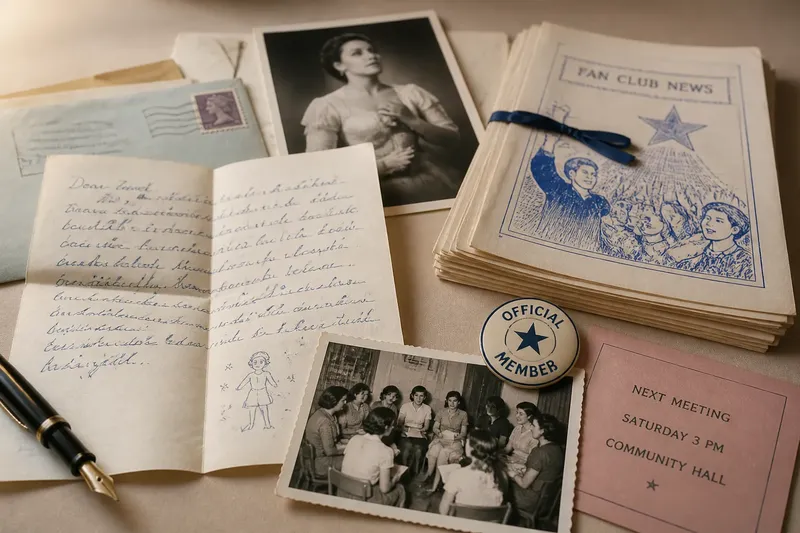
Fans preserve meaningful memories: a performance that changed how a song sounded, a public appearance that felt approachable or an image that became part of a community’s shared language. These are genuine accounts of audience experience. They do not necessarily reveal a performer’s private intentions or feelings.
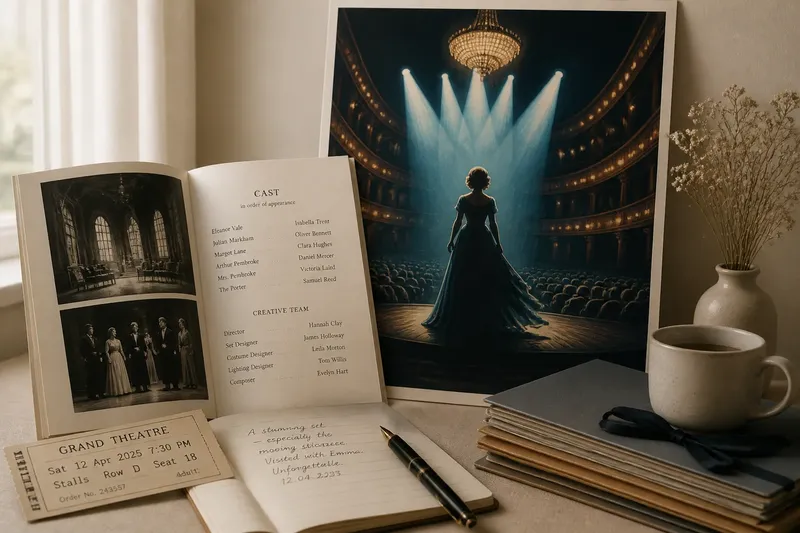
Imagine a fan has a ticket from a public appearance and a clipping about the event. The ticket helps locate the memory; the clipping records what was reported or shown. Together, they can explain why the event mattered to that fan, but they cannot establish what the performer felt afterward unless the performer addressed that in a relevant, trustworthy context.
When sharing an image or anecdote, make the boundary clear. “The appearance came across as relaxed to me” reports an impression. “They were relaxed with everyone that day” turns one impression into a broader claim. The first leaves room for other viewers and for what the image cannot reveal.
How should you read a public persona?
What is a public persona?
A public persona is the recognizable image a performer presents or acquires through appearances, interviews, publicity and work. It may include genuine aspects of the person, but it remains a selective public representation.
Does a public image mean someone is being fake?
No. Choosing what to share is not the same as inventing a false identity. A public appearance can be sincere and still be limited by its setting, purpose and audience.
Can a performance reveal a performer’s beliefs?
A performer may discuss a belief directly, but a role or artistic choice alone does not establish a private conviction. Look for clear attribution and context rather than treating a character’s words as the performer’s own.
How can you describe an impression fairly?
Say that it is your impression and name what prompted it, such as a gesture, answer or performance. Avoid turning one moment into a lasting claim about someone’s personality.
Leave room for uncertainty
Public records can support careful statements about what someone said, performed or chose to show. They are less suited to confident claims about private motives, relationships or daily temperament. When the record is thin, “I don’t know” is more accurate than filling the gap with a familiar story.
You can admire a performer’s wit, cherish a programme or discuss an affecting role while recognizing that none of these things grants complete knowledge of the person. A public persona remains useful as a record of presentation and reception, but it should not be mistaken for the whole person.
When you encounter a familiar image, describe what it shows before adding what you think it means. That small distinction keeps the public record vivid while leaving unanswered questions where the evidence leaves them.